A Well of Opportunities
Wellness and Healthcare in Southeast Asia
17 Feb 2025
Share


CapitaLand Group
With a solid business ecosystem, we deliver long-term sustainable value to our stakeholders.
Global
English

CapitaLand Group
With a solid business ecosystem, we deliver long-term sustainable value to our stakeholders.
A Well of Opportunities
Wellness and Healthcare in Southeast Asia
17 Feb 2025
Share

-----------------------------------------------------------------------------------------------------------------------------------
Executive Summary
The wellness economy has seen remarkable growth as consumers increasingly take ownership of their health, expect enhanced services, and demonstrate a greater willingness to invest in wellness.
"Southeast Asia (SEA) is uniquely positioned to capitalise on the global embrace of health and wellness as a lifestyle priority, making it a prime hub for wellness, innovation and investment."
SEA has also emerged as a premier hub for medical tourism, with Thailand, Malaysia, and Singapore at the forefront. These factors have led to significant demand for wellness and healthcare-related real estate (RE) in the region. SEA presents unique opportunities for investors to create long-term, sustainable investments that capitalise on changing demographics and the growing demand for wellness and healthcare.
-----------------------------------------------------------------------------------------------------------------------------------
Key Highlights:
FAVOURABLE TRENDS IN SEA SUPPORTING THE WELLNESS ECONOMY
a. Ageing societies in SEA
SEA’s population is expected to age rapidly due to declining birth rates and longer life expectancies. By 2035, the population aged 65 and above is projected to increase by 32.7 million, bringing the proportion of ageing population to 11.6%. Thailand and Singapore will experience the most pronounced impacts with the proportion of the ageing population reaching 22.8% and 26.5% respectively, on par with many European countries (Figure 1). This demographic shift is spurring a “longevity economy”, increasing demand for health and wellness services, preventive and diagnostic medicine, and senior housing facilities.
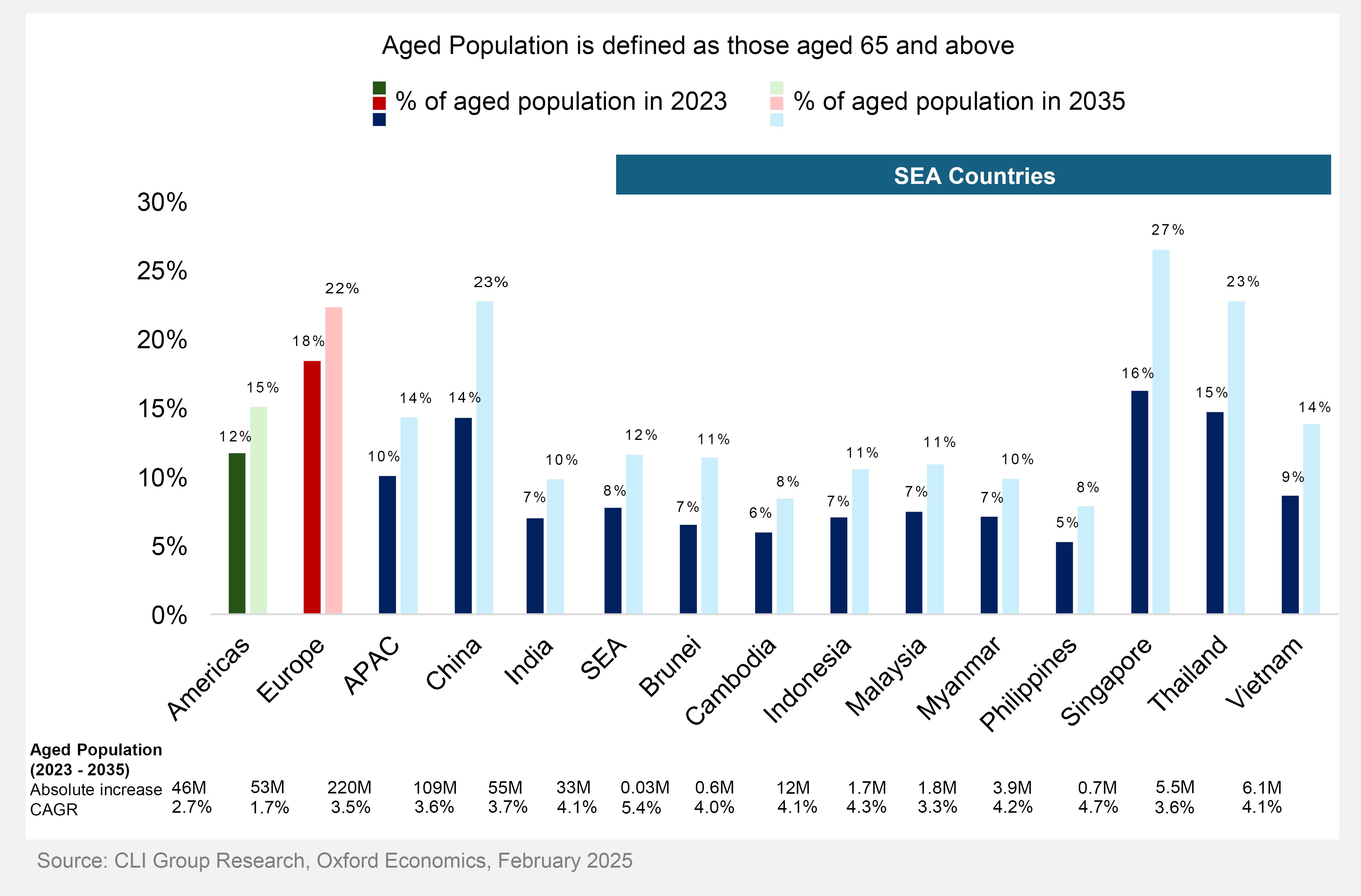
Figure 1: Ageing Population in SEA in Comparison with Other Regions
b. Rising Affluence in SEA
Average household disposable income per capita in SEA countries is projected to grow at a CAGR of 4.0% between 2023 and 2035, outpacing other developed countries in Asia Pacific (APAC) and globally. Total consumer healthcare related spending in SEA is expected to more than double to US$234 billion by 2035, at a CAGR of 8.1%. In 2023, over half of the expenditure went towards medical products, appliances and equipment, driven in part by consumers taking a proactive approach to managing their health. Outpatient services and hospital services contributed 31.3% and 18.3% of total spending, respectively1.
c. SEA’s emergence as a premier medical hub
These structural trends along with SEA’s appeal in terms of climate, culture and relatively lower service sector costs have made it a premier destination for medical tourism. Markets such as Thailand, Malaysia and Singapore offer a combination of advanced medical facilities, skilled healthcare professionals and competitive prices that appeal to international patients, with each country developing reputations for excellence in specific fields (Figure 2).
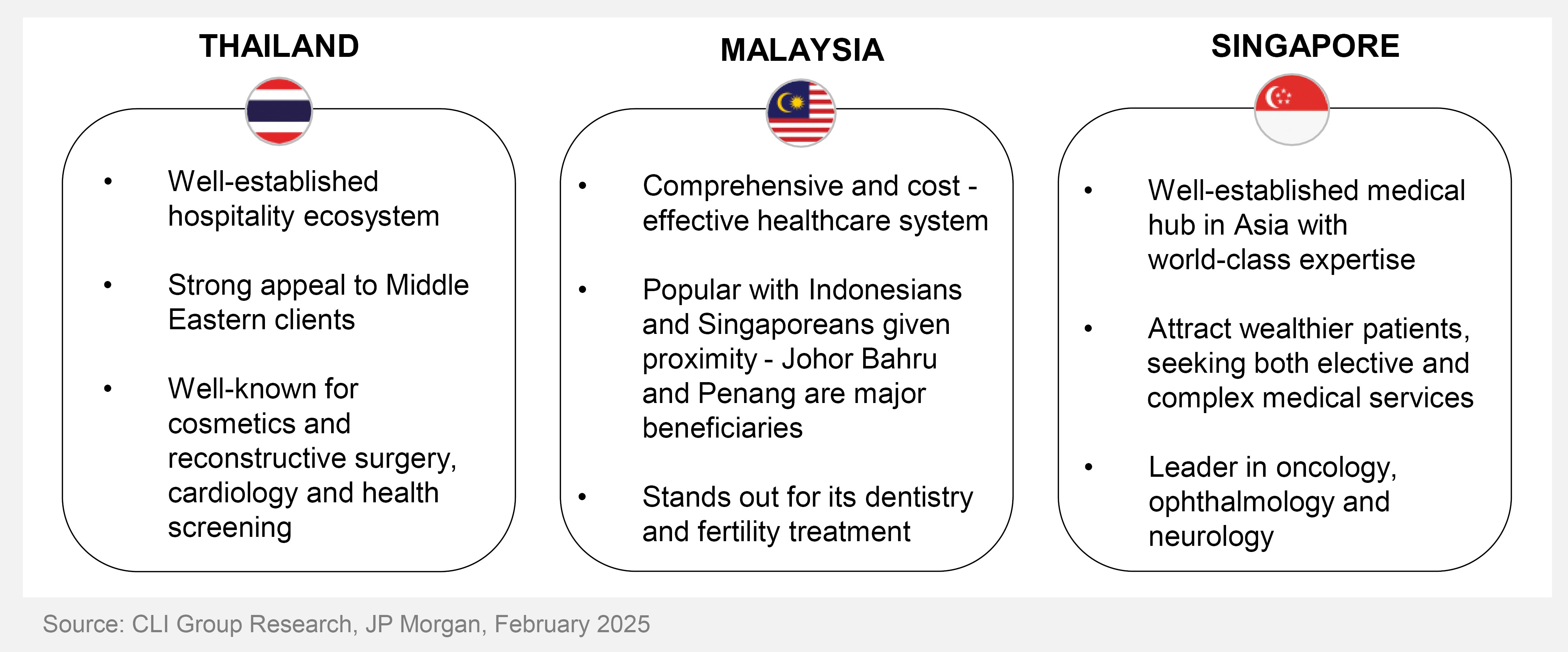
Figure 2: Competitive advantages and Key Clients of Thailand, Malaysia and Singapore Medical Tourism
GROWING WELLNESS REAL ESTATE MARKET
With a rapidly growing wellness RE market, developers are incorporating wellness-focused designs and construction practices, and including wellness-related amenities and services in their properties. The global wellness RE market grew at a CAGR of 16.9%, expanding from US$274 billion in 2020 to US$438 billion in 2023, and is expected to reach US$913 billion by 2028 (15.8% CAGR)2.
Wellness RE aims to promote the holistic health of its residents and incorporates a broad range of concepts that can extend beyond the traditional scope of primary healthcare. These assets can be broadly categorised into Living and Healthcare (Figure 3).
Living related real assets typically feature designs and facilities that promote wellness, incorporating natural spaces and a suite of wellness programmes. These include wellness resorts, wellness residences and senior living developments.
Healthcare related real assets focus on services such as targeted preventive health assessments, medical treatments for illnesses, both inpatient and outpatient procedures, as well as non-acute care and rehabilitation. These include longevity clinics, speciality hospitals/medical centres, and care hotels.
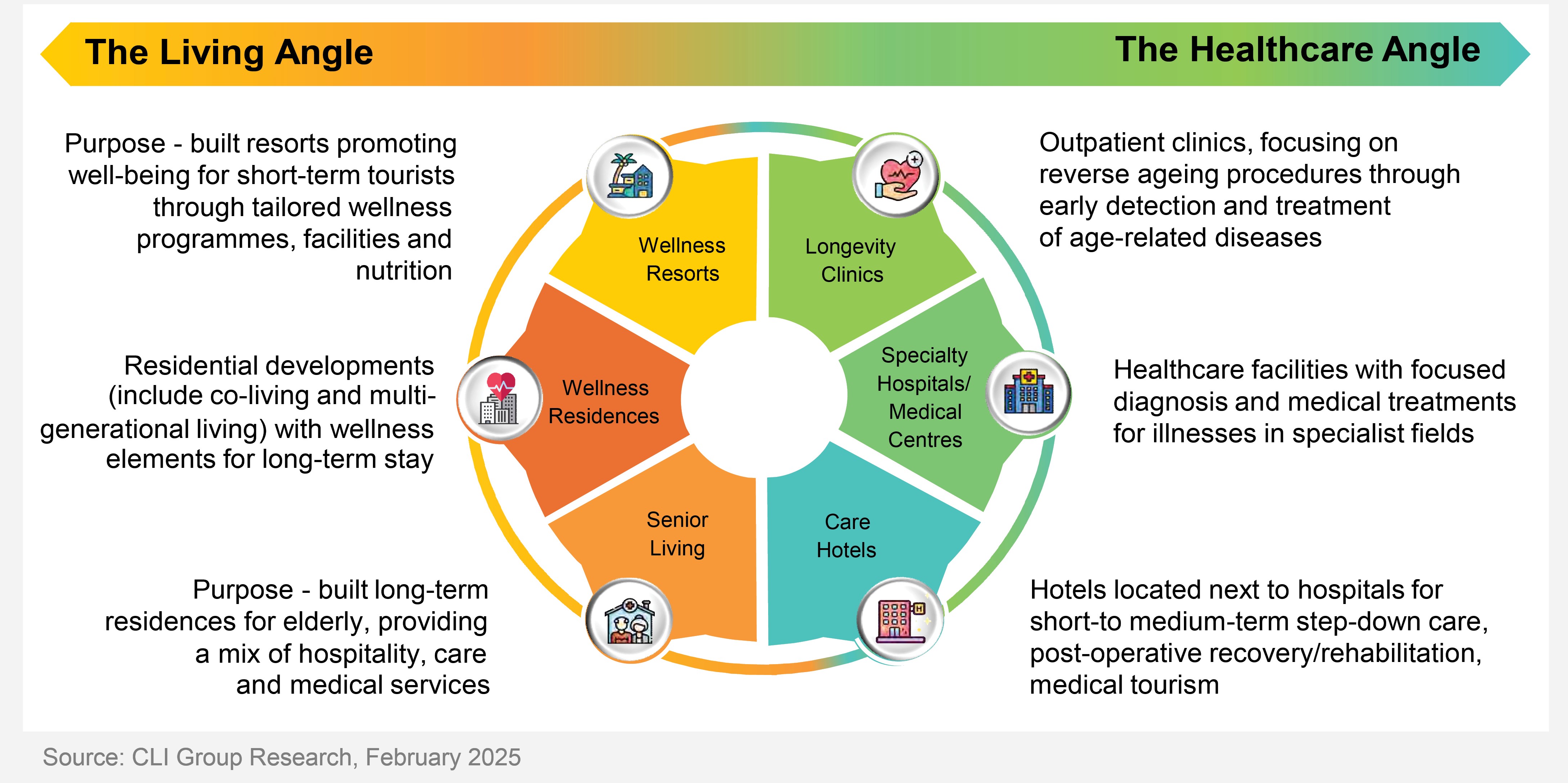
Figure 3: Living and Healthcare Real Assets
INVESTMENT OPPORTUNITIES
Investors are increasingly attracted to wellness RE that incorporate elements of living and healthcare. In 2023, the absolute investment volume of wellness RE reached US$221 billion. When comparing the average transaction volumes for 2019 to 2023 against those for 2014 to 2018, APAC RE with elements of living and healthcare saw the largest increase of 32.0%, compared to 29.2% and 23.2% in Americas and Europe, Middle East and Africa (EMEA), respectively3. This indicates significant growth potential for the APAC market.
Investment approaches for living and healthcare related RE vary based on investor risk appetite, control preferences and holding periods. In developed economies like U.S. and Europe, there are many listed real estate investment trusts (REITs) and RE firms investing in these assets.
SEA is a fast-growing market with the living sector being more institutionalised than the healthcare sector. Living and healthcare operators in SEA are looking to expand to accommodate the region’s increasing demand for healthcare and wellness services. Prominent operators are looking to scale their operations through strategic partnerships, investments in infrastructure and merger and acquisitions.
These trends present attractive investment opportunities in healthcare and wellness related RE, where asset owners typically entrust the operation of their assets to established and reputable healthcare or wellness operators through master lease arrangements, ensuring professional and efficient management. Given the importance of policies around medical tourism and healthcare, it is critical to identify trusted partners with access to deal flow and strong healthcare/wellness operating capabilities.
--------------------------------------------------------------
Notes
[1] Source: Oxford Economics, November 2024
[2] Source: Global Wellness Institute, May 2024
[3] Living and healthcare real estate transaction refers to hotels, apartment, senior living and medical offices. Source: Real Capital Analytics, November 2024.