CapitaLand posts S$1.57 billion net loss for FY 2020 mainly due to revaluation losses and impairments
24 Feb 2021
Share


CapitaLand Group
With a solid business ecosystem, we deliver long-term sustainable value to our stakeholders.
Global
English

CapitaLand Group
With a solid business ecosystem, we deliver long-term sustainable value to our stakeholders.
24 Feb 2021
Share
Singapore, 24 February 2021 – CapitaLand Limited posted a net loss of S$1,574.3 million for FY 2020 against a profit of S$2,135.9 million in FY 2019. The net loss was mainly attributed to revaluation of investment properties, and impairment of projects and equity investments totalling S$2,498.1 million, which are non-cash in nature. The revaluation losses were limited to a few assets most impacted by COVID-19, while the rest of CapitaLand’s portfolio remained resilient.
Operating PATMI2 for FY 2020 was S$769.9 million, 27.2% lower year-on-year. Including divestment gains and realised revaluation gains, cash PATMI1 for FY 2020 was S$924 million. Supported by an improved COVID-19 situation in CapitaLand’s two core markets of Singapore and China, cash PATMI1 of S$653.3 million in 2H 2020 was more than double the S$270.5 million in 1H 2020.
Revenue for FY 2020 rose 4.8% year-on-year to S$6,532.6 million. This was mainly due to higher handover from the residential projects in China and Vietnam, as well as full year consolidation of results for Raffles City Chongqing and the Ascendas-Singbridge (ASB) portfolio acquired in June 2019. The increase was partially offset by the recognition of rental rebates granted to tenants, as well as lower performance from the Group’s shopping malls and lodging businesses amid COVID-19. Collectively, Singapore and China accounted for 76.4% of CapitaLand’s revenue.
EBIT for FY 2020 fell 95.4% year-on-year to S$231.5 million. This was primarily due to revaluation losses from investment properties, impairment of residential projects and investments, lower gains from asset recycling, as well as lower contribution from retail and lodging operations amid COVID-19. The decrease was partially mitigated by full year contribution from the ASB portfolio acquired in June 2019, as well as higher contribution from residential projects in China and Vietnam.
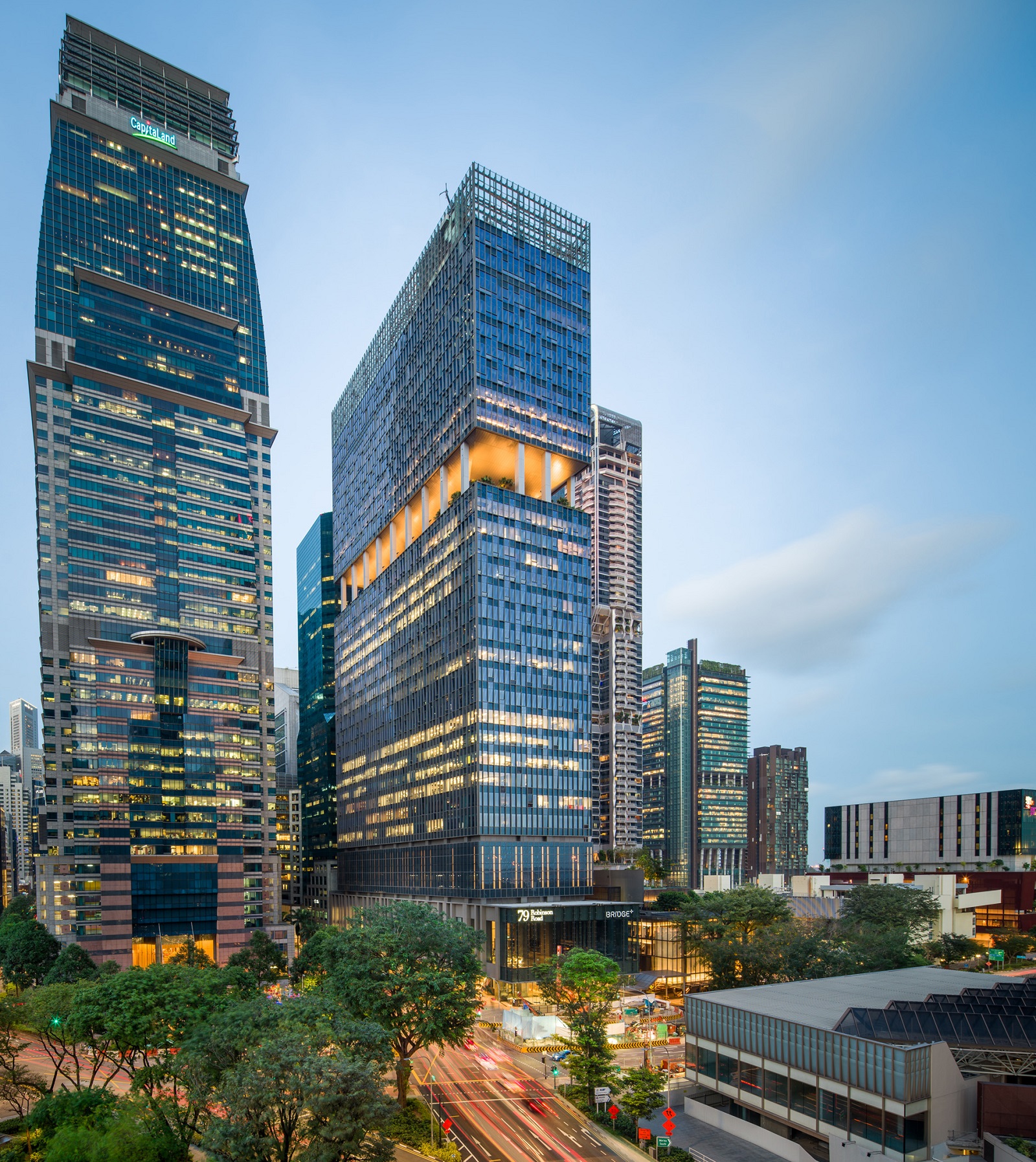
To position for growth, CapitaLand's workspace developments are enhanced with flex solutions, including coworking house brands Bridge+, The Work Project and The Workshop. Capital Tower (left) is home to The Work Project; while 79 Robinson Road (right), houses the first Bridge+ location in Singapore’s CBD.
CapitaLand’s FY 2020 results are broadly in line with its profit guidance dated 22 January 2021. Subject to shareholders’ approval, the Board is proposing a final ordinary dividend of 9 Singapore cents a share for FY 2020, which corresponds to a total dividend payout of S$467.4 million. This represents a dividend payout ratio of about 52% of FY 2020’s cash PATMI1 .
Financial highlights
|
FY2020 (S$ m) |
FY2019 (S$ m) |
Variance (%) |
2H2020 (S$ m) |
2H2019 (S$ m) |
Variance (%) |
Revenue |
6,532.6 |
6,234.8 | 4.8 | 4,505.2 | 4,103.7 | 9.8 |
Earnings before interest and tax (EBIT) |
231.5 |
5,067.6 | (95.4) | (365.3) | 3,006.6 | NM |
| Total PATMI / (Net Loss) | (1,574.3) |
2,135.9 | NM | (1,670.9) | 1,260.5 | NM |
| Comprising: | ||||||
Operating PATMI2 |
769.9 |
1,057.2 | (27.2) | 508.7 | 695.9 | (26.9) |
| Portfolio Gains | 153.9 | 435.6 | (64.7) | 144.6 | 300.9 | (51.9) |
| Non-cash items: | ||||||
| (a) Revaluation Gains / (Losses) | (1,636.7) | 674.7 | NM | (1,459.0) | 295.4 | NM |
| (b) Impairments | (861.4) | (31.6) | NM | (865.2) | (31.7) | NM |
NM= Not meaningful
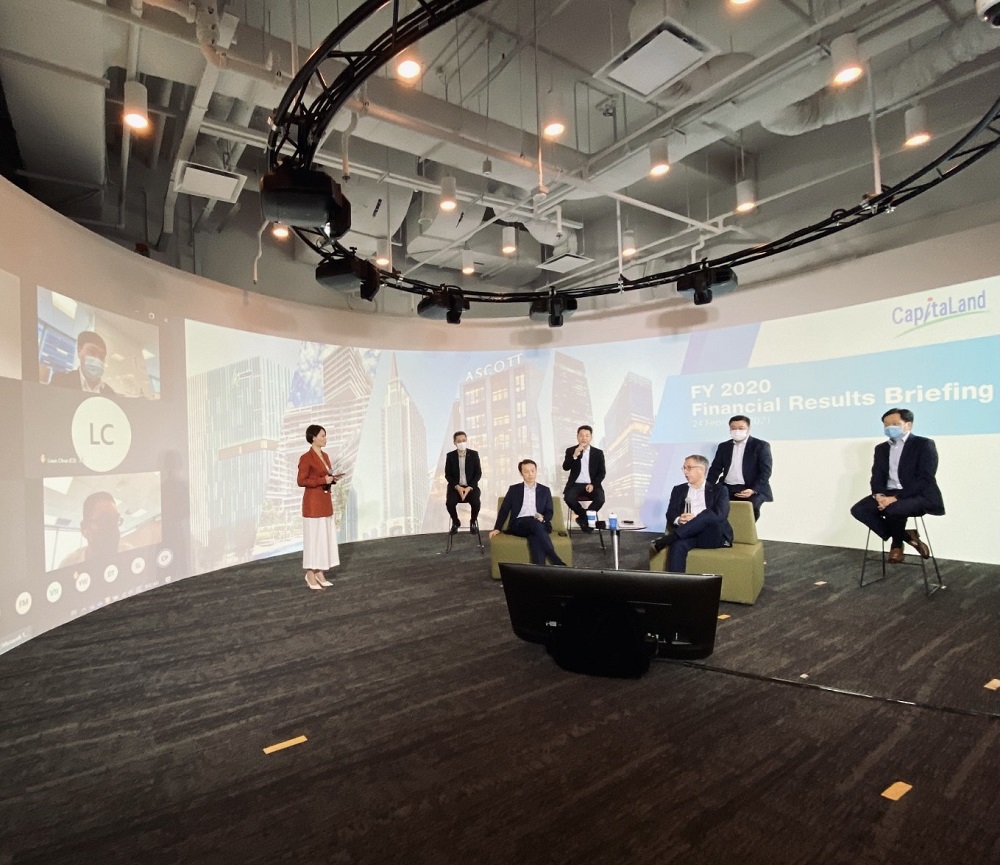
CapitaLand’s senior management gathered at Catapult at the Bridge+ coworking space in Ascent building at Singapore Science Park 1, to engage analysts and media during the virtual results briefing. Catapult features technologies such as virtual and augmented reality, as well as neuroscience principles adopting immersive learning approaches.
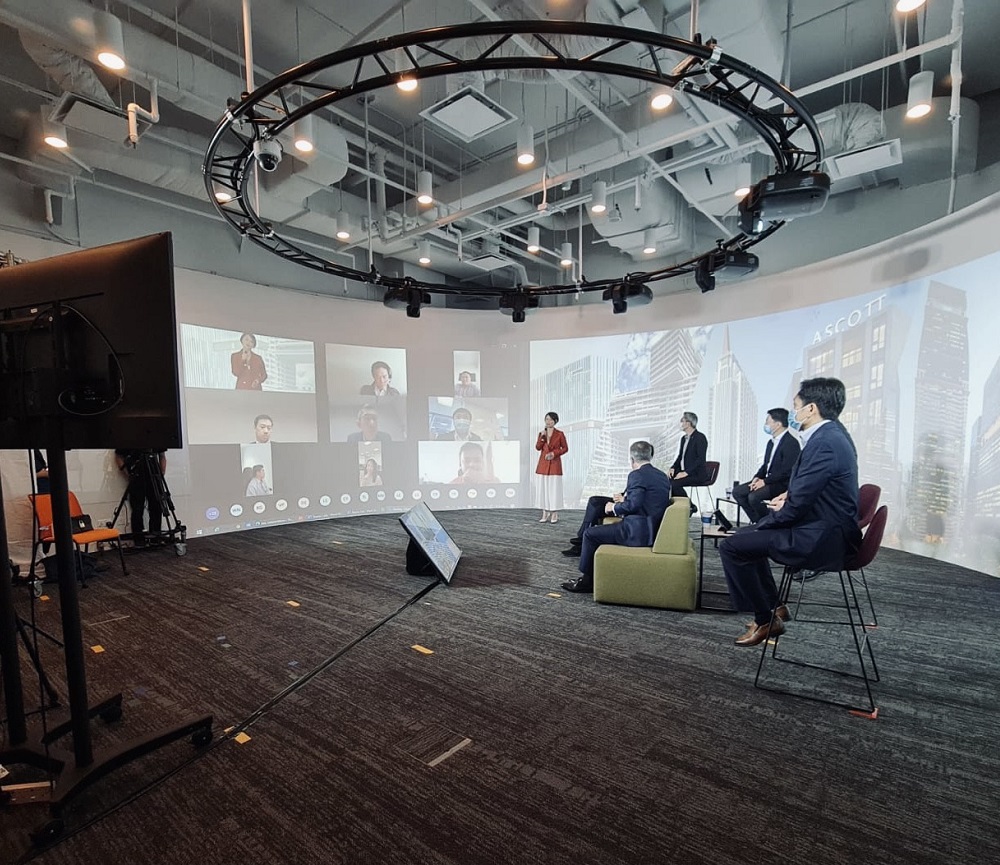
At Catapult, the centerpiece is a 180-degree immersive screen which facilitates shared virtual reality viewing experience, as well as expanded virtual conferencing capabilities. The panoramic screen brings to life 3D visuals such as spatial layouts and allows easy viewing of content on screen.
Mr Ng Kee Choe, Chairman of CapitaLand Limited, said: “Despite a challenging 2020, CapitaLand remains operationally profitable and financially strong, which underpin our continuing ability to distribute returns to our shareholders. During the year, we extended help to tenants, business partners and vulnerable groups in the community impacted by COVID-19. We further reinforced our commitment to pursue long-term growth in a socially responsible and sustainable manner with CapitaLand’s 2030 Sustainability Master Plan. We will strive to continue to do well, do good and do right by our stakeholders as we steadfastly execute our recovery and growth plans.”
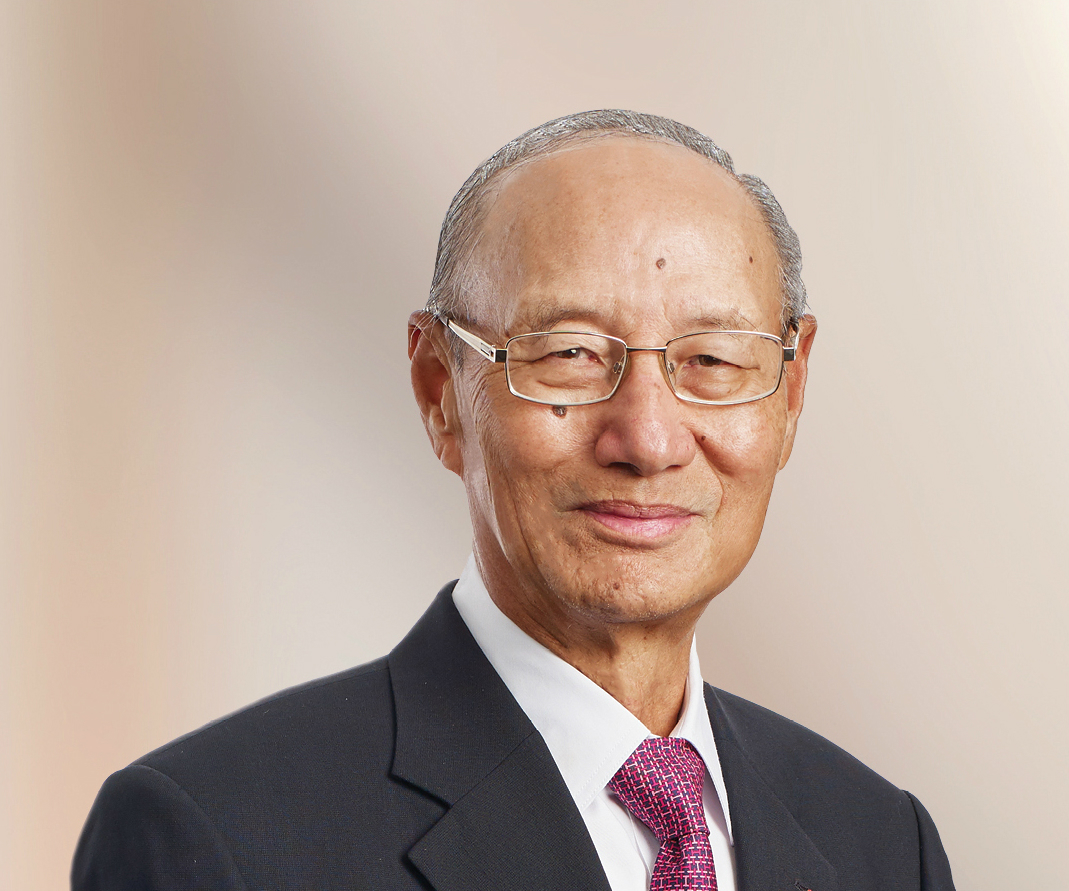
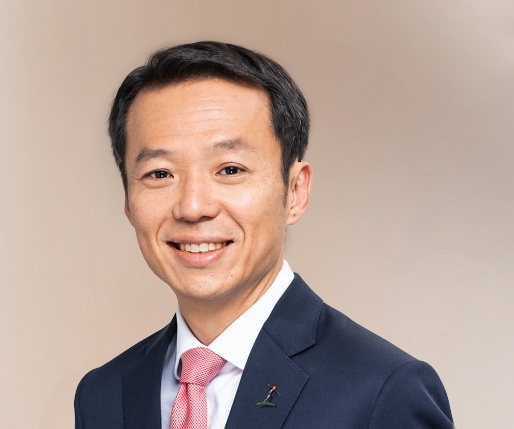
Mr Lee Chee Koon, Group CEO of CapitaLand Group, said: “COVID-19 has disrupted but will not change the plans for CapitaLand to become a globally competitive asset manager and real estate company. In 2020, we continued to grow our fund management business, deploy capital into new economy asset classes, and took the chance to digitalise and rationalise our existing business. Not only will CapitaLand’s strong balance sheet and cashflow position tide us through the ongoing COVID-19 pandemic; more importantly, we will be able to capitalise on new opportunities to further transform our business.”
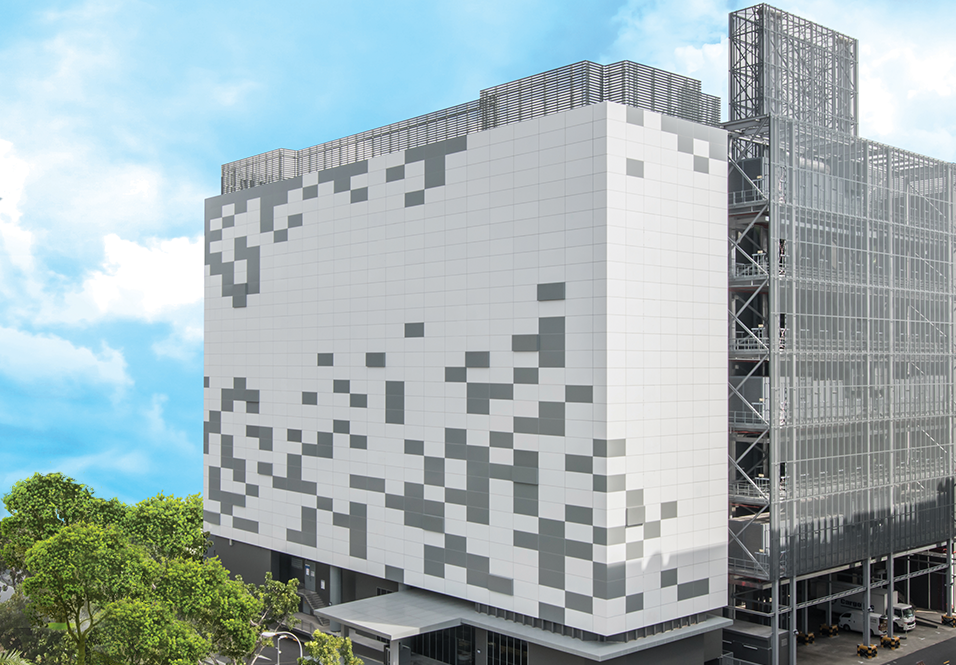
In 2020, CapitaLand continued to pivot towards new economy assets, including business parks, industrial and logistics properties, and data centres. 9 Tai Seng Drive (pictured) is the Group’s flagship data centre and the first in Singapore to pilot the use of green energy to power its operations.
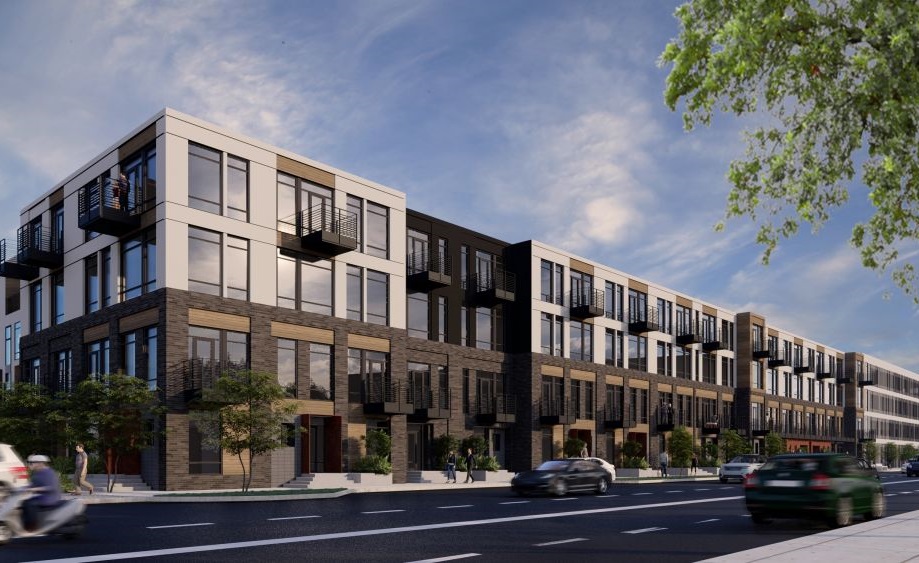
CapitaLand continues to position itself in new segments of long-stay lodging to cater to growing demand. Its multifamily assets in the USA have remained resilient amid the pandemic, and the Group plans to further scale the portfolio. Pictured is an artist’s impression of a multifamily property in Austin, Texas, that CapitaLand plans to co-develop with a joint venture partner.
--------------------
1 Cash PATMI comprises operating PATMI, divestment gains and realised revaluation gains.
2 Operating PATMI refers to profit from business operations excluding any gains or losses from divestments, revaluations and impairments.
For media queries, please contact us at:
media@capitaland.com
Share